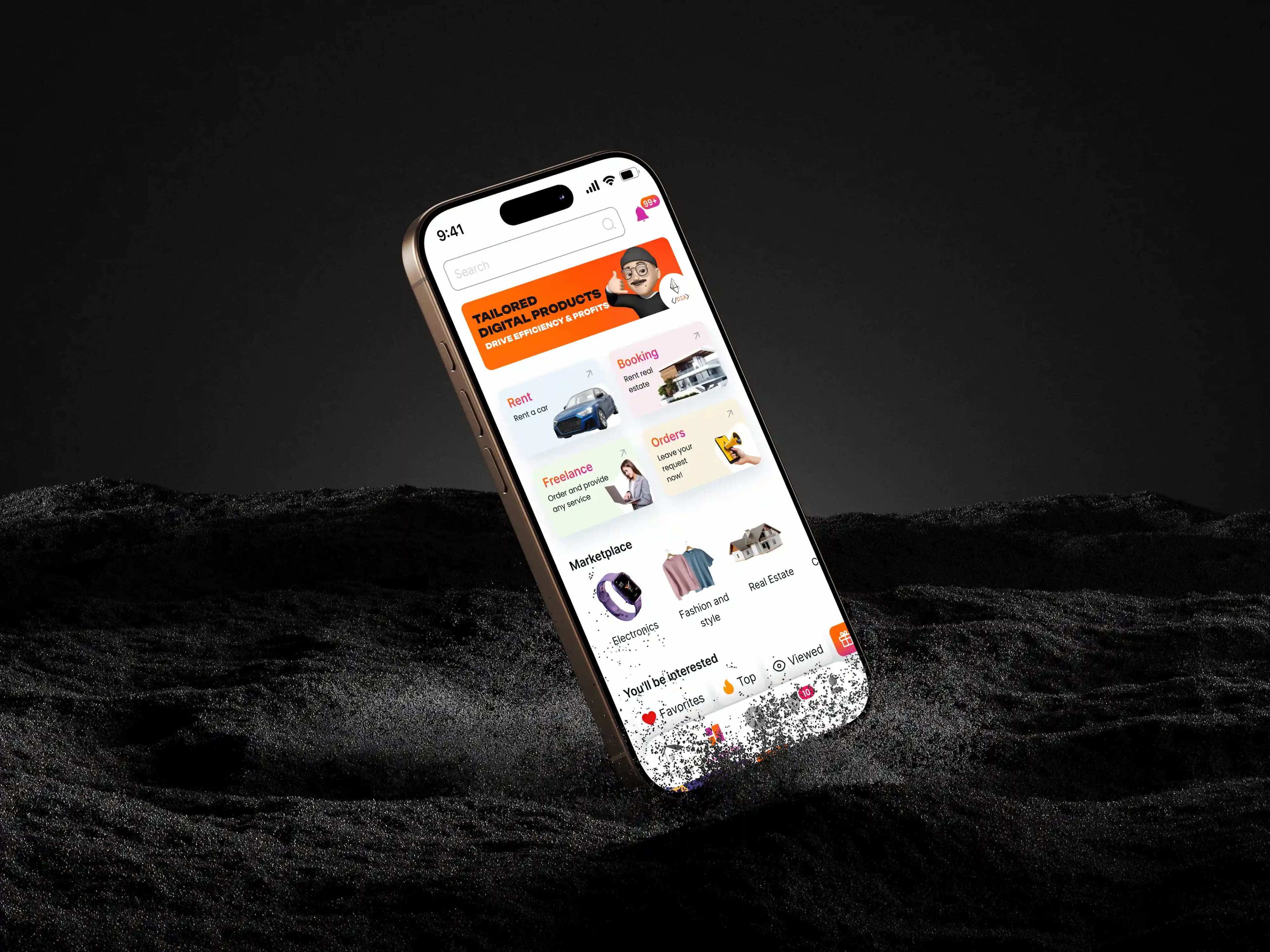
</about us>Tentai is the first international marketplace in Thailand where you can quickly rent or lease transport and accommodation, buy and sell any goods and services. It makes life easier for expats, guests and residents of Thailand by allowing them to instantly rent accommodation and transport nearby. The platform helps to save money on purchases by offering not only new items but also second-hand ones. Tentai provides everyone with the opportunity to earn from renting out transport, real estate, as well as selling goods and services. Users of the platform can communicate in their native language, as all messages are automatically translated. The simple, intuitive application works equally well on both computers and mobile devices.
The Cryppush bot frees up time and ensures trader comfort. The bot's innovative algorithms monitor the market situation and open trades at a favorable moment. The trader can connect the bot's API key to their account on the exchange and manage assets directly there. In the Cryppush application, it is easy and convenient to check cash flows, analytics and trading history. Experienced traders can create a bot with their own settings and earn money on it. Beginners can connect a bot with the set settings. Each bot on the Cryppush platform has statistics that show its profitability.

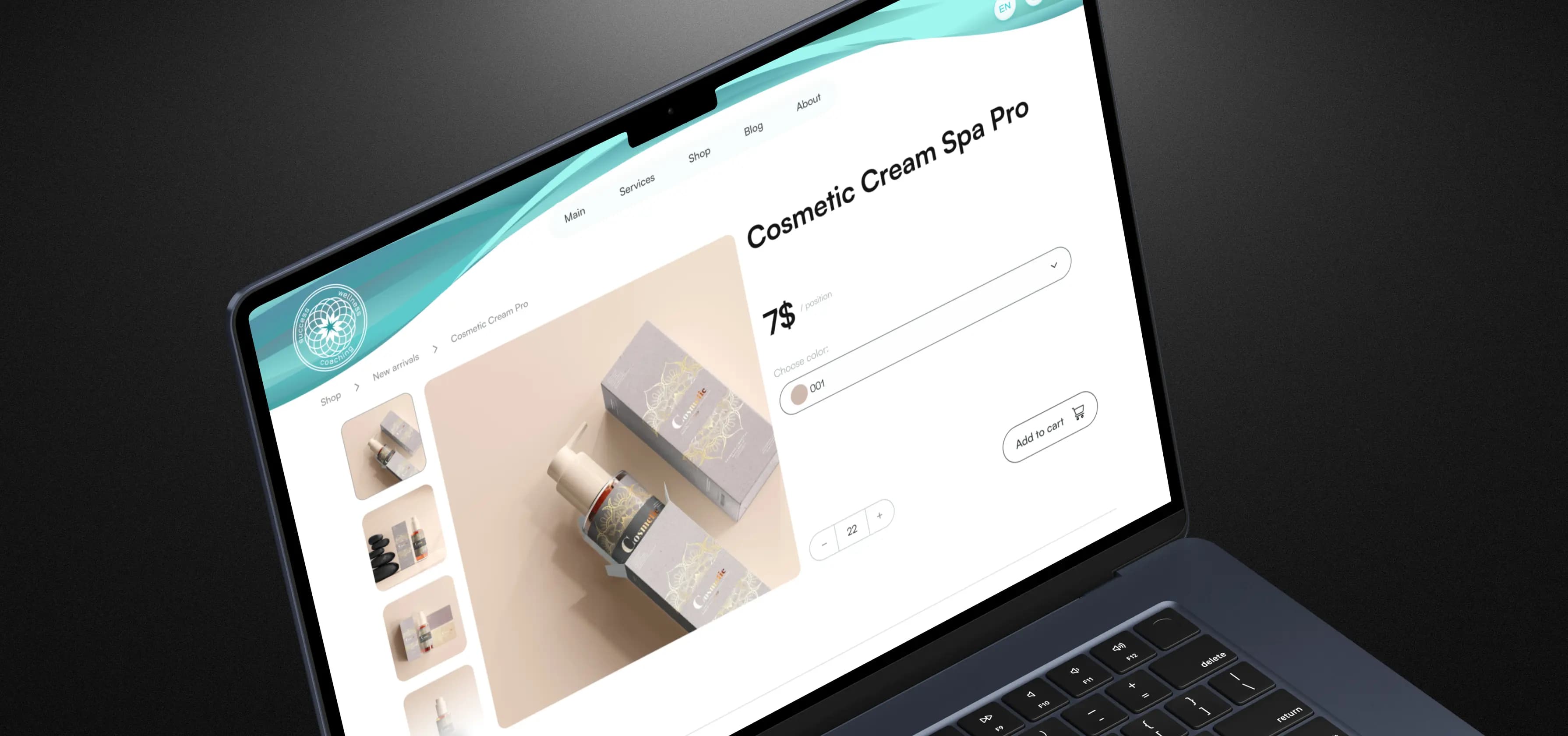
The Success Wellness Coaching project is based on the desire to offer spa managers not just a set of services, but a comprehensive solution for developing and improving their professional skills. The program includes comprehensive support through individual and group coaching sessions, operational courses and seminars that are aimed at improving management skills and operational efficiency in the spa industry.
</blog>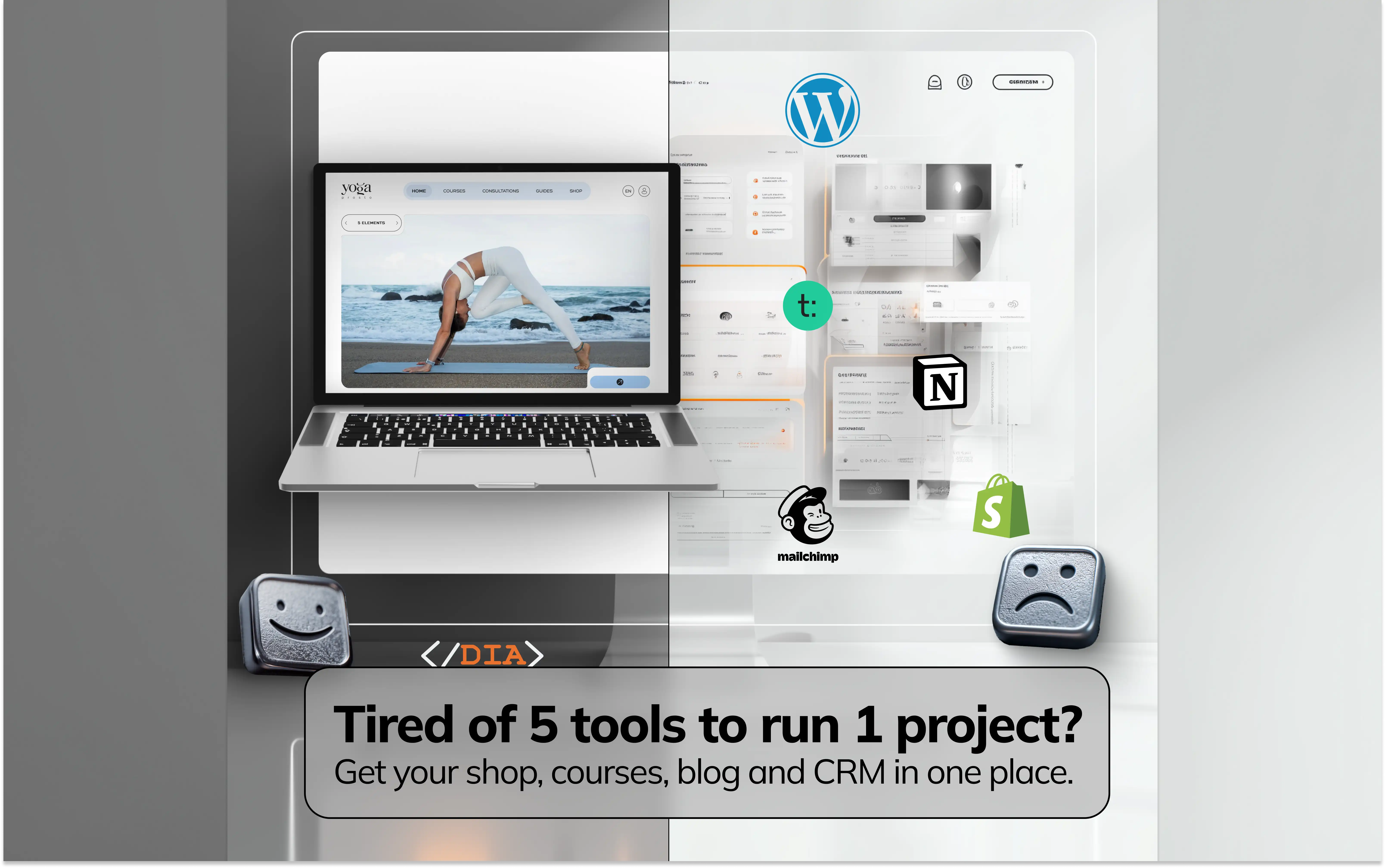
Personal Brand Ecosystem: Shop + Courses + Blog Boost Trust and Monetization
Today, a personal brand is no longer just an Instagram account or a business card website. An expert, coach, author, or online product creator is a full-fledged business that requires a sustainable and manageable system. That's why we increasingly hear the same question from clients: how to combine content, products, training, and sales in one place without creating chaos from dozens of services and integrations. The answer is a unified digital ecosystem in which all elements work together seamlessly. In this article, we'll explore why a simple website isn't enough for a personal brand today, how the combination of Shop, Courses, and Blog builds audience trust, why this approach delivers stable monetization, and how to launch the entire system in just one day, not months. Why a Regular Website Is No Longer Enough A classic website with an "about me, services, and contact" format no longer solves growth challenges. Today's audiences expect not just information, but expert content, a clear path to purchase, and the ability to access training and products in one place. Brand trust is built even before the first payment, and a website must support this process. At the same time, businesses face another problem: disparate tools. A website might be on WordPress, courses hosted on a third-party platform, a store operated separately, newsletters sent through an external service, and a customer database stored in spreadsheets. This results in technical chaos, data loss, rising subscription costs, and difficulty scaling. What is a personal brand ecosystem? An ecosystem is a unified platform where a website, visual brand, product store, training courses, blog, CRM, analytics, payments, and newsletters are integrated into a single system. It's not a collection of disparate services, but a complete digital product under a single login and with full control by the owner. This is the model chosen today by experts, online schools, and signature brands who are building businesses with an eye on growth, not temporary solutions. The Role of a Blog: Trust, Expertise, and SEO A blog is a foundation of trust and a key element of the ecosystem. It allows you to demonstrate the depth of your expertise, answer real audience questions, prepare customers for purchase, and attract organic traffic from search engines. However, a blog only works effectively when it's integrated into an overall system. When a reader lands on an article, sees the products, subscribes to the newsletter, and proceeds to purchase a course or product, the content ceases to be just content and becomes a full-fledged sales funnel. Shop as a tool for systemic monetization A store within an ecosystem isn't just a way to sell something. It's a tool that allows you to monetize your audience's attention without any extra steps. Such a store can sell digital products, consultations, guides, manuals, physical goods, subscriptions, and service packages. The ecosystem's main advantage is that payment is integrated into the system, client data is automatically transferred to the CRM, and access, emails, and additional offers are launched without manual intervention. This eliminates losses and reduces the workload on the team. Courses: Learning as an asset, not a one-time product Online courses remain one of the most powerful tools for scaling a personal brand. Within an ecosystem, training becomes a manageable asset, not a one-time product. Courses are structured by modules and lessons, and include videos, text materials, files, and assignments. Access is granted only to registered users, and the owner fully manages the courses through a unified CRM and CMS. Furthermore, the expert is independent of third-party platforms and maintains full control of the content, client base, and data. Why the Shop, Courses, and Blog combination worksbest Individually, a blog, store, and courses can be effective. But together, they create a synergistic effect. The blog drives traffic and builds trust, the courses enhance expertise and increase customer lifetime value, the store converts attention into revenue, and the CRM integrates all user interactions into a single system. As a result, the website ceases to be just a web page and becomes a full-fledged business model integrated into a digital product. The biggest mistake when starting an online business The most common mistake is building a system piecemeal. First, a website is created, then courses are launched separately, then a store is integrated, and only finally a CRM is added. This approach almost always results in different contractors, different technologies, long launch times, and constant refinement. At Digital IT Advisor, we took a different approach. How we solve this problem at Digital IT Advisor We don't create websites from scratch every time. Our work is based on a ready-made digital ecosystem architecture, which we adapt to a specific business, customize to the client's needs, and launch in just one day. Essentially, it works like this: today you come up with an idea, and tomorrow you have a ready-made digital business. Our solution includes a website with a modern design, a blog with an SEO structure, a store with payment options, courses with modules and lessons, a CRM and CMS for management, as well as analytics, a customer database, and newsletters. The most important thing is that you manage the entire system yourself, without programmers or technical dependence. Who would benefit from a personal brand ecosystem? This model is ideal for experts and coaches, online schools, authors and influencers, producers, and small studios with multiple projects. Anyone who wants to reduce chaos, gain more control, launch faster, and scale confidently. Result A personal brand ecosystem means audience trust, systematic monetization, complete control over the business, and a commitment to growth. And with DIA, it also means a quick launch without the hassle and unnecessary services. If you need more than just a website, but a functioning digital asset, we know how to build it. Contact Digital IT Advisor and we'll transform your brand into an ecosystem that sells.
What an ideal online expert website should have: a checklist from DIA
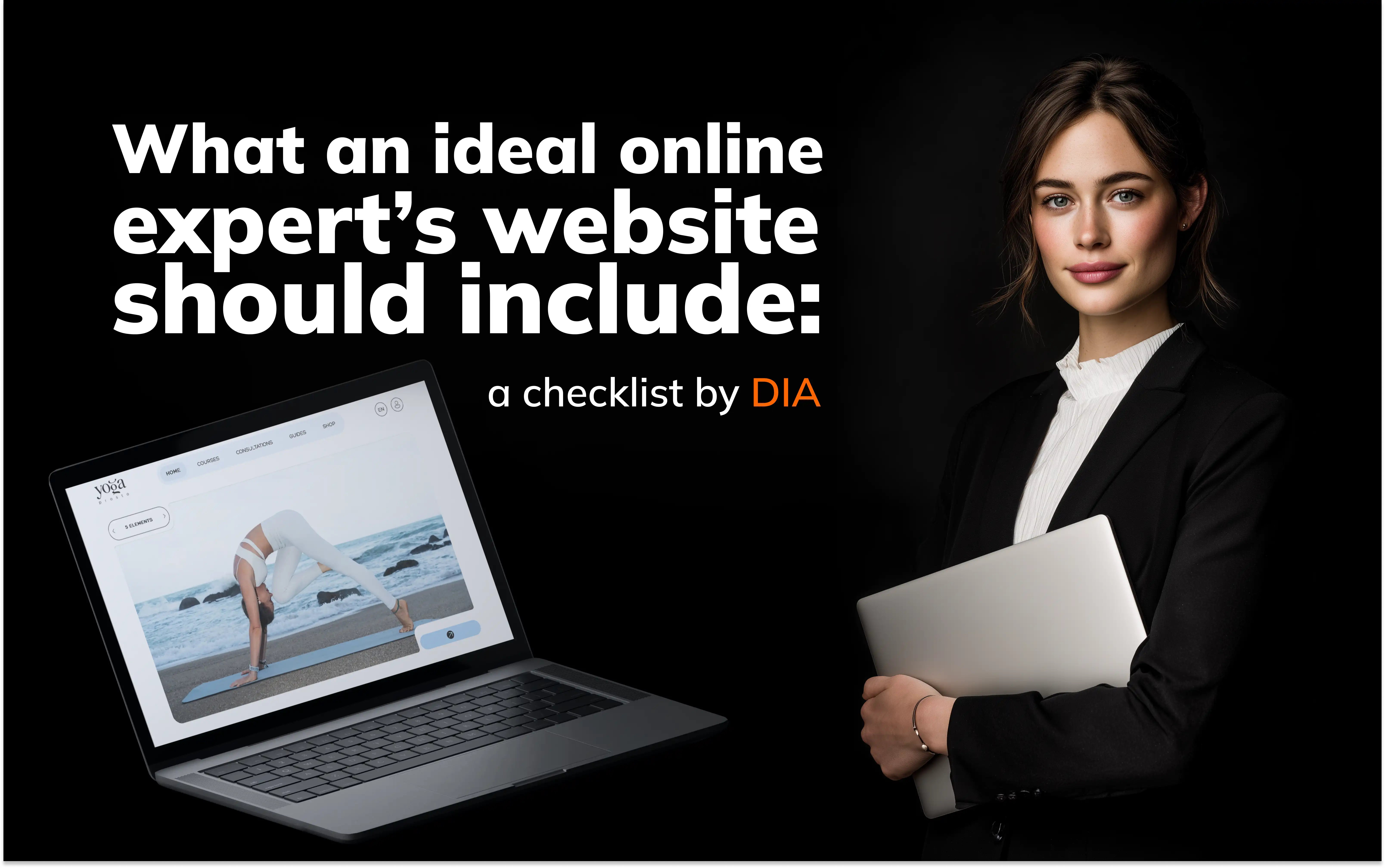
A complete expert guide based on real-world experience developing ecosystems for experts, online schools, and branded businesses. In 2025, an online expert's website is more than just a "business card" or a "portfolio." It's the operating system of a business , the place where content, sales, training, audience, and management come together. But 90% of experts still use the outdated model: a separate website on WordPress, courses on someone else's platform, newsletters in Mailchimp, CRM in Google Sheets, products in Shopify, Chatbots through third-party services… The result is endless integrations, errors, a “zoo of services,” and a constant technical load. DIA solves this problem. We don't just create websites—we build a unified digital ecosystem where: → Shop → Courses → Blog → CRM → Email → Analytics — live in one place, under one login, under the complete control of the owner. Today we'll share a professional checklist: What an ideal online expert website must have to sell, build a brand, and increase revenue. 1. The home page that makes 80% of sales The ideal homepage displays: ✓ Who are you? Expert, coach, author, producer – clear positioning. ✓ What are you doing? 1-2 sentences explaining the value. ✓ Your key products Courses Programs Goods Mentoring ✓ Social proof Reviews, cases, figures. ✓ Main CTA “Join the Course” “Buy the Product” Book a Call How DIA does it: We create a homepage with a well-thought-out attention architecture, animations, and micro-interactions to help people make decisions within the first 10 seconds. 2. An "About Me" page that sells without selling It answers the client's main question: “Why should I trust my training/money/results to you?” Required elements: expertise (certificates, experience, achievements), unique approach, personal history, key values, media and mentions. How DIA does it: We create expert presentations in such a way that their personality becomes a separate product. 3. A store with digital and physical goods An online expert rarely sells just one thing. Typically, it's: e-books, checklists, merch, physical goods, materials, consultations. An ideal store should have: ✓ Product cards ✓ Delivery options ✓ payment integration ✓ Automatic emails ✓ sales analytics At DIA, a store is part of the overall system , not a separate service. The owner manages the products themselves → without a developer → no queues → no additional subscriptions. 4. A course platform with modules, lessons, and any learning logic For an online school this is a MUST. The course should include: modules lessons video files tests PDF homework progress Our DIA system allows the owner to: ✓ uploadlessons in seconds ✓ Change the course structure in real time ✓ Run a modular program ✓ Work with students through CRM ✓ Collect lesson analytics This is NOT a constructor. This is a ready-made product system that we configure for your business in just one day. 5. Blog as a source of organic SEO traffic Without a blog, traffic is expensive. A blog is: SEO audience trust demonstration of experience eternal content In DIA, the blog is integrated into the system: — posts — categories — drafts — SEO fields — images - fast editor And most importantly, the owner can publish articles himself – easily and quickly. 6. CRM system: the heart of digital business If an expert doesn't have a CRM → he has no business, only chaos. An ideal CRM should contain: applications orders students payment status segments tags referral system history of actions In DIA, CRM is integrated directly into the website. You see everything: transitions, finances, subscribers, conversions. 7. Email marketing in one system DIA allows: ✓ send letters ✓ create newsletters ✓ segment the audience ✓ Load external databases ✓ build automation No more need for Mailchimp, GetResponse, Sender—everything works in one place. 8. Owner's personal account with statistics and analytics An ideal website should show: sales traffic customer sources registration for the course student activity email open rate referral transitions We create a full-fledged Owner's Dashboard that transforms an expert business into a manageable system. 9. Adaptability and speed are critical 80% of traffic comes from the phone. DIA creates websites that: loads in look perfect on any device written in React.js have a powerful backend easily scalable 10. Automation that saves up to 20 hours a week An ideal website should work without the owner's participation : ✓ Automatic delivery of lessons ✓ Automatic emails ✓ status updates ✓ analytics collection ✓ reminders ✓ delivery automation We are implementing all of this. Why DIA makes websites that work like a business system Because we don't create websites. We create digital ecosystems . Shop Courses Blog CRM Email Analytics Payments Everything under one system. Everything is under your control. No subscriptions, no chaos, no integrations. And most importantly: We launch a ready-made system for the client in 1 day. You buy today and sell tomorrow. Ready to create your perfect website? We will build for you: ✔ Ecosystem ✔ Infrastructure ✔ Sales platform ✔ Learning platform ✔ CRM + store + blog ✔ Complete control over your business Digital IT Advisor — we create digital products that work like a business. 👉 Ready to build your ecosystem? Write to us and we will start your project.
Website or app: what to choose for your business?
Today, every business faces the number one digital question: what to launch first—a website or a mobile app? While the answer once seemed obvious (“start with the website”), today it’s more complex: users spend more time in apps, and businesses need tools that don’t just “present,” but sell, retain, and simplify communication . In this article, we'll explore the differences between a website and an app, when to choose one, when to choose the other, and why sometimes the best answer is both . 🖥 Website: A versatile tool for visibility and sales The website is your digital office, accessible from any browser. It helps you to establish yourself, attract customers and increase brand trust. Advantages of the site: Availability - no installation required. Any user can open your site through a link, search, or advertisement. SEO and Google traffic – you can attract organic visitors and reduce your cost per lead. Flexibility – the site is easy to update, integrate with CRM, add forms, payments, and chatbots. Suitable for B2B and services - works great for companies, agencies, salons, schools, courses, restaurants, and services. Low entry barrier – a website is cheaper and faster to launch than a mobile app. When to choose a site: if you are just getting online ; if you need a sales channel or a business card for a brand; if the business works with a wide audience , not limited to regular users; if search traffic, advertising, SEO and analytics are important. 📱 App: A tool for engagement and loyalty The mobile app is a level above. It works on the user's phone, providing convenience, personalization, and a constant presence in the client's life. Advantages of the application: Personalization – push notifications, bonus systems, personalized offers. Speed and offline access —works even without a stable internet connection. Increased loyalty – customers return to the app more often than to the website. Powerful analytics – user behavior can be analyzed in more detail. Monetization and integrations – built-in payments, subscriptions, gamification, chatbots. When to choose an app: if you have recurring purchases (salons, deliveries, fitness, courses, marketplaces); if constant communication with the client is important; if you want to increase retention and lifetime value ; If your brand is focused on a modern digital experience . What if I choose both the website and the app? Many successful companies follow the path of synergy : 📍 The website attracts customers, tells about the brand and sells, 📍 The app retains customers and makes service personalized and convenient. For example: Fitness club : website for registration and advertising, app for schedule and bonuses; school : website - for recruiting students, app - for lessons and homework; Retail or marketplace : a website for SEO and sales, an app for regular customers and push notifications. 🚀 The DIA approach: creating ecosystems, not individual products At DIA, we don't ask, "Website or app?" We ask: “How does your business work and how can it be improved with digitalinstruments? We develop: smart websites that are not just “beautiful,” but sell and integrate with CRM, payments, and analytics; mobile applications that turn customers into regular users; digital ecosystems where the website, app, chatbot, and CRM work as a single whole. We design each project to fit real business processes : from marketing and sales to customer support. That's why our solutions work, generate profit, and grow with your business. If you want reach, start with the website. If you want to retain customers, make an app. And if the goal is growth and scaling , combine them into a single system. 🔗 We are DIA. We create more than just digital products - We build ecosystems that work for business . 📩 Write to us and we'll tell you where to start: a website, an app, or both. We will create a digital solution that will grow with you.
From idea to success: creating digital solutions
</features>We develop digital solutions that increase your revenue and attract new customers. We accompany you from the first idea to launch and help you achieve your goals at every stage.
Market and competitor research
We analyze your market and competitors to create a strategy that will make your product stand out and attract your target audience.
Design that attracts
We create stylish and user-friendly designs that make your product attractive and easy to use for your customers.
Creating your product
We develop a reliable and functional solution that meets your business goals and user expectations.
Quality control
We thoroughly test the product to ensure it works flawlessly and pleases your users from day one.
A successful start
We launch your product so that it immediately starts attracting customers and bringing results.
Accompaniment and growth
We update and improve your product to keep it relevant and help your business grow.
</contacts >Follow us: